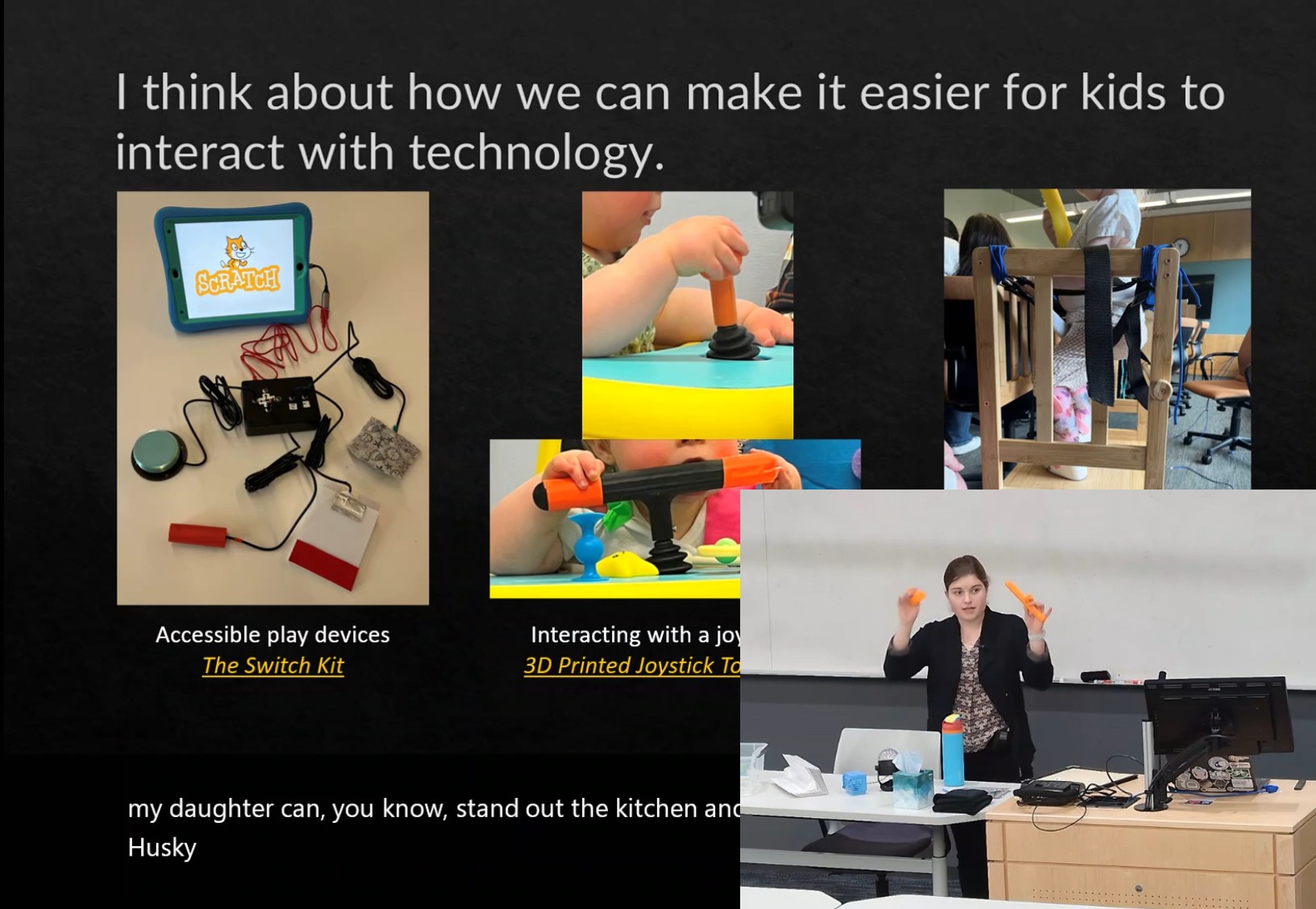
Continued learning
My PhD advisors, Kat Steele in Mechanical Engineering and Heather Feldner in Rehabilitation Medicine, launched my interdisciplinary path and encouraged me to bridge engineering, clinical practice, and disability studies.
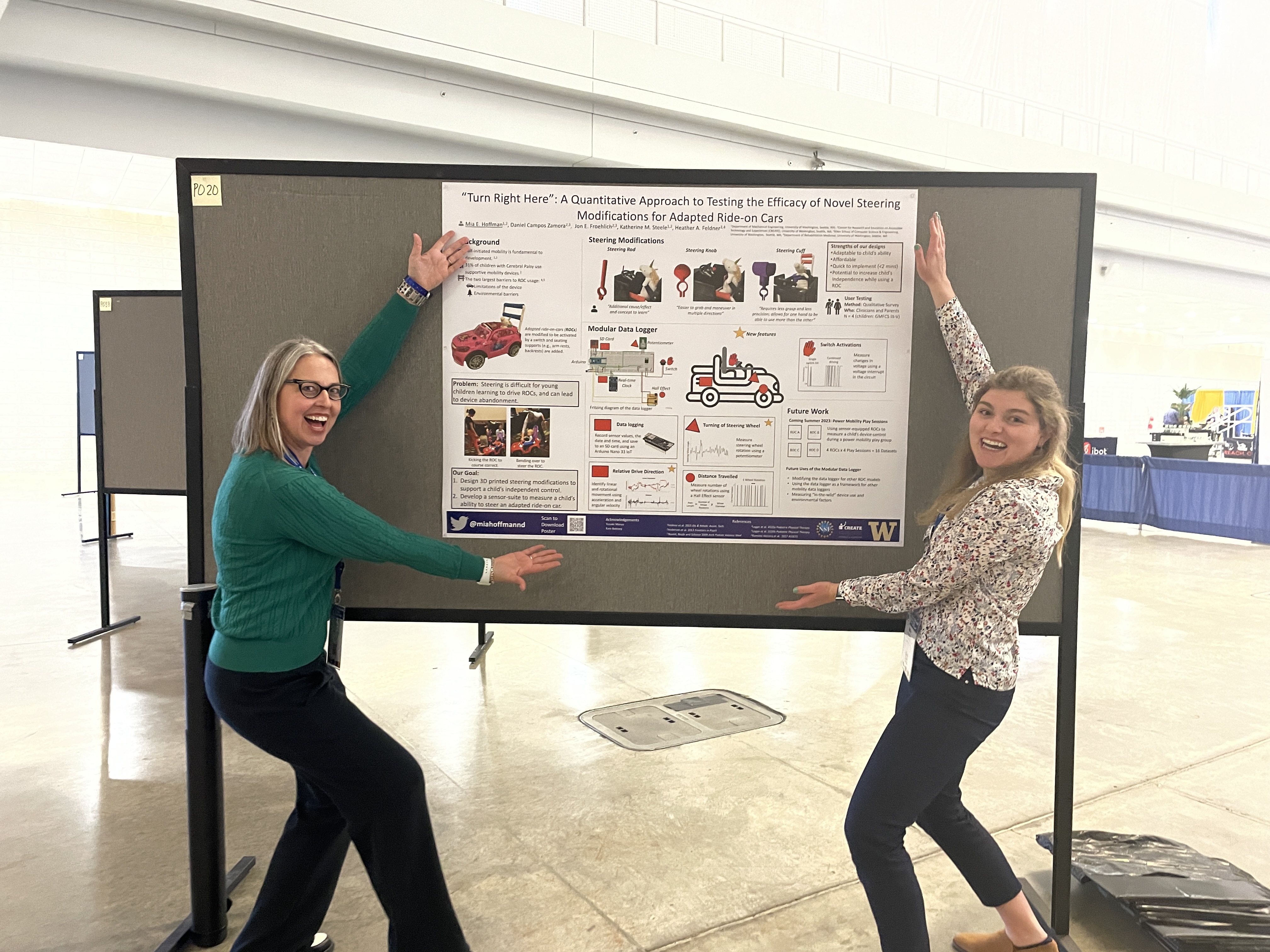
ITHS TL1 Scholar
As the first NIH INCLUDE TL1 scholar, I spent a year training alongside graduate students conducting research in speech language pathology, community-based participatory research with Indigenous nations, and micro-fluidic devices for testing muscular dystrophy treatments. This experience expanded my foundations beyond mechanical engineering to include ethics, community engagement, grant writing, and mentoring. It strengthened my identity as a translational and interdisciplinary scholar committed to research rooted in lived experience.
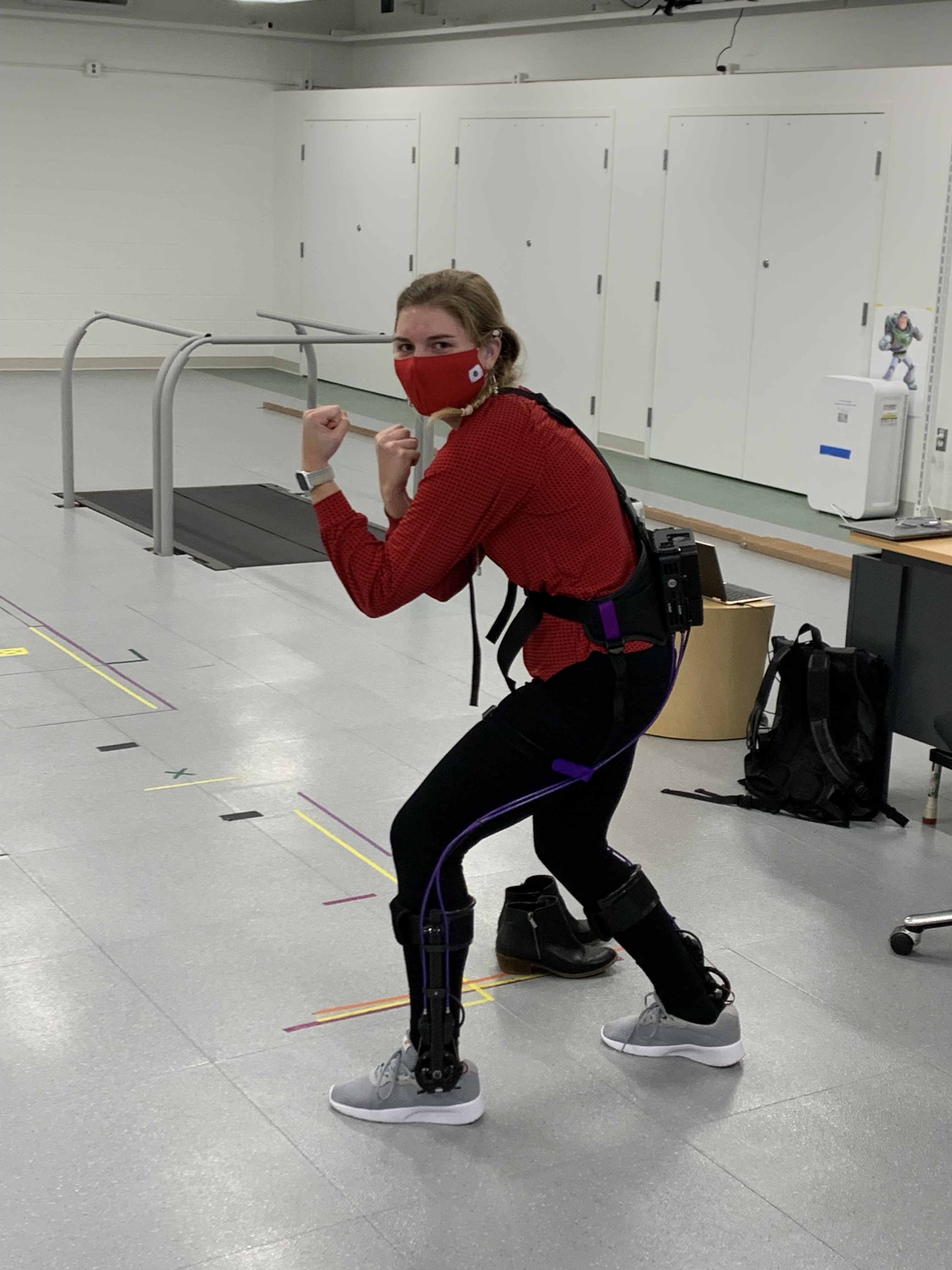
Center for Research and Education on Accessible Technology and Experiences (CREATE)
Through CREATE, I learned the value of connecting with disability leaders and community organizations. Conversations with accessibility innovators like Jenny Lay-Flurrie and Joshua Miele broadened my perspective on inclusive design. Working with local organizations, such as Open Doors for Multicultural Families, through CREATE’s biannual stakeholder meetings taught me what meaningful community partnership looks like: listening, learning, and pursuing research driven by community-identified priorities. Most importantly, CREATE introduced me to a cross-disciplinary network of disabled mentors, peers, and friends who model interdependence and accessible research practices.
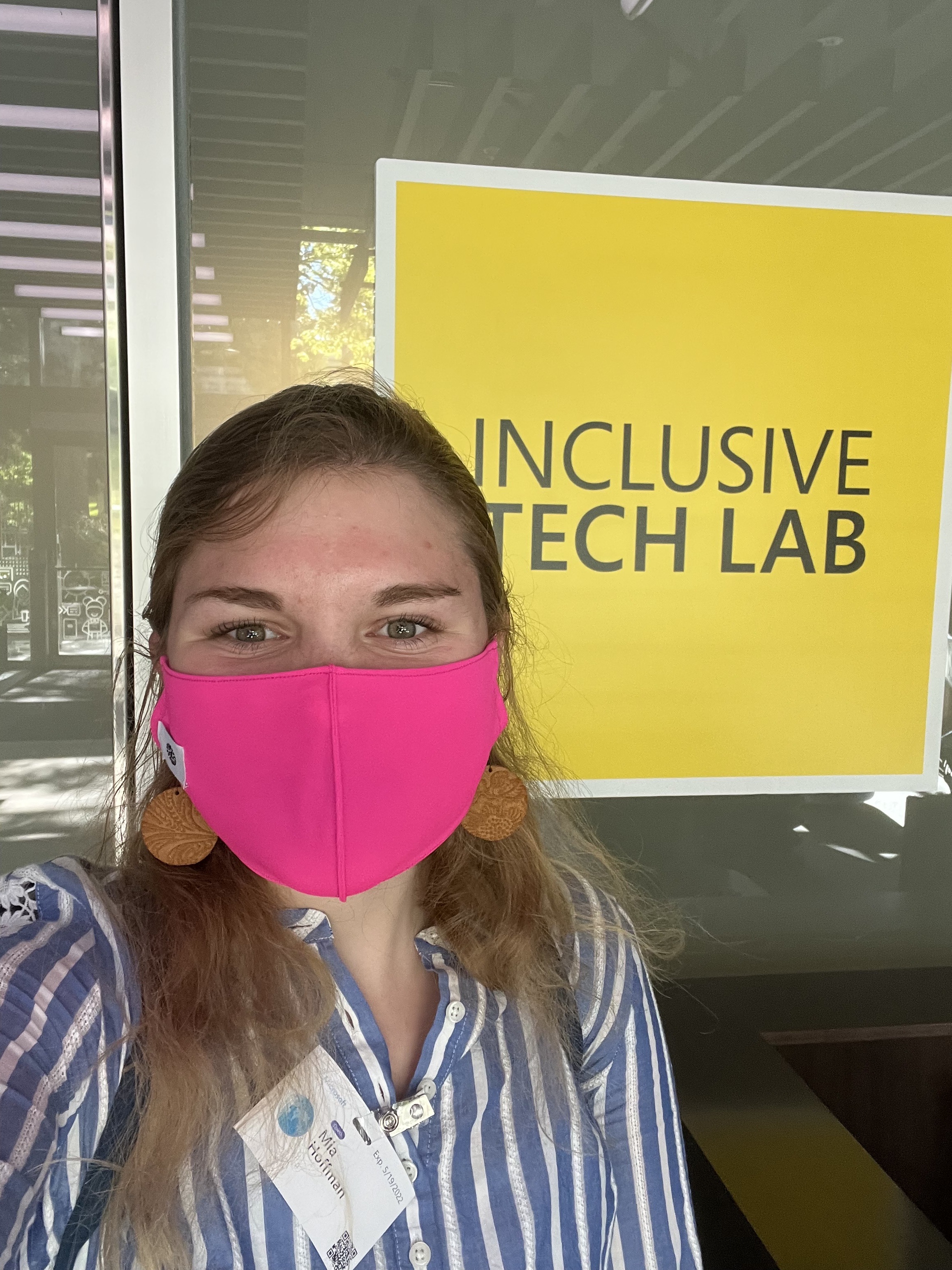
Teaching
UW is the first place I sat in a classroom and wondered how I would teach it. I began by advising interdisciplinary capstone teams on community-initiated accessibility projects, and for the past two years I have been a teaching assistant for ME 493, where I coach students through trying new design processes and team dynamics as they build interactive candy bowls for faculty. From faculty mentors like Eli Patten, Sirine Maalej , and Renee Desing, I have learned multiple teaching strategies and the importance of clarity, creativity, and care in the classroom.